


What Is Hinduism? Why Hinduism Is Considered Sacred |Beliefs, History
Introduction: The Sacred Vision of Hinduism-
Hinduism is regarded most sacred as it offers profound meaning, spiritual depth, and inspiration to people worldwide across the globe. At its core, Hindu thought views the entire universe as holy, teaching that every aspect of creation is a reflection of the divine reality. Life itself is considered a sacred journey toward higher awareness.
Ancient Hindus and Living Tradition
Hinduism is the oldest continuously practiced religions in the world and a history spanning thousands of years, it remains vibrant and relevant still today. It is followed by more than 1.2 billion people globally, making it one of the world’s popular and major religious traditions.
Unlike many organized religions, Hinduism does not follow a single founder, scripture, or doctrine. Instead, it is a vast and evolving spiritual tradition that embraces diversity in belief, philosophy, and practice.
Why Hinduism Is Considered Sacred
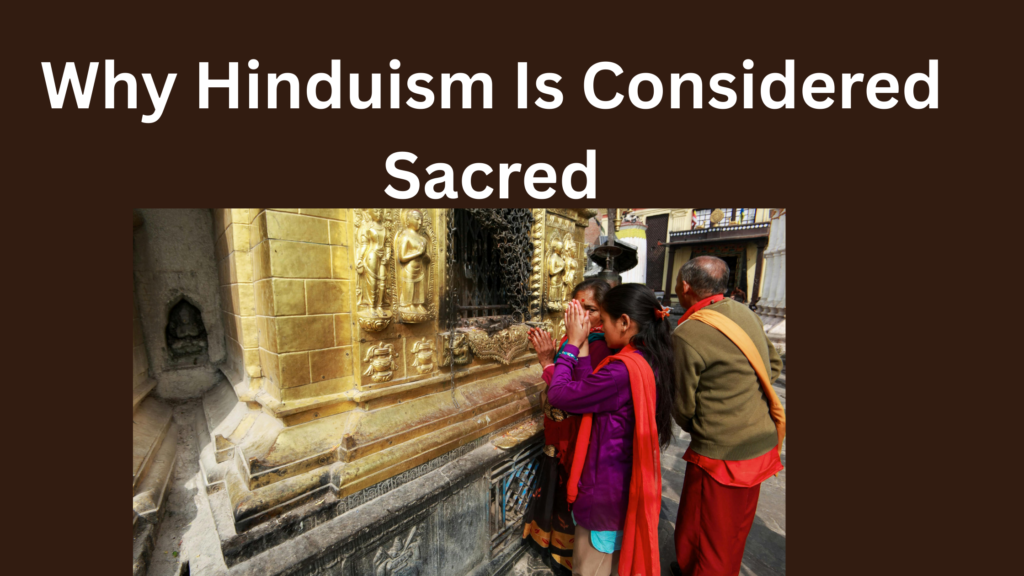
Hindus believe that divinity exists everywhere in nature, in living beings, and within the human soul itself . Mountains, rivers, animals, trees, and even daily actions are viewed as sacred and this belief encourages respect for life and harmony with the natural world.
The Ancient Roots of Hinduism
Hinduism has not been founded by anyone and no fixed beginning. Its teachings developed over thousands of years through sacred texts, oral traditions, philosophies, and spiritual experiences. Because of this, Hinduism is often described as a way of life rather than just a religion.
Diversity Within Hinduism
One of the most unique features in Hinduism is its diversity.
No Single Belief System
There is no one belief that all Hindus must follow same diety .People of different regions, families, and individuals may practice Hinduism in their own way.
Read more
ഗുരുദക്ഷിണയുടെ മഹിമ ശ്രീകൃഷ്ണന്റെ ഗുരുഭക്തിയുടെ അതുല്യകഥ
ശിവനെ ഭക്തിയോടെ പൂജിക്കൂ: ദാരിദ്ര്യം അകലും, സമൃദ്ധി ജീവിതത്തിലേക്ക് വരും|രക്ഷപ്പെടും
Multiple Paths to the Divine
Some Hindus worship one supreme God , while others worship many different forms of the divine and some focus on devotion, others based on knowledge, meditation, or selfless service. All paths are considered valid.
Core Beliefs of Hinduism
A Belief in a Supreme Reality
Hindus believe that supreme divine reality which exists beyond human understanding. This reality may be expressed through many names and forms but is ultimately one.
Karma: The Law of Action
Karma teaches that every action has consequences such as good actions lead to positive results meanwhile doing harmful actions bring challenges. This belief encourages ethical living and personal responsibility.
Reincarnation: The Cycle of Birth and Rebirth
Hinduism teaches that the soul is eternal. Life after death, the soul is reborn based on past karma did and this cycle continues until spiritual liberation is achieved.
Moksha: Liberation of the Soul
The ultimate goal of life in Hinduism is moksha which is freedom from the cycle of rebirth 0r reincarnation . Moksha represents union with the divine and complete spiritual realization.
Spiritual Practices in Hinduism mainly-What Is Hinduism? Why Hinduism Is Considered Sacred |Beliefs, History, and Spiritual Meaning Explained
Meditation and Prayer
Meditation calms the mind and connect with the inner self. Prayer expresses devotion, gratitude, and surrender to the divine.
Good Deeds and Selfless Service
Helping poor without expecting rewards is considered a powerful spiritual practice. It purifies the heart and reduces ego.
Yoga as a Spiritual Path
Yoga is not just physical exercise but a spiritual discipline aimed at balancing body, mind, and soul.
Hinduism and Tolerance
Hinduism widely known for its acceptance and openness.

Respect for All Religions
Hindus believe that every religion are different paths leading to the same divine truth. This belief promotes religious harmony and mutual respect in all.
Freedom of Spiritual Choice
Every individual is free to choose their own spiritual path according to their nature and understanding.
Read here
ശിവനെ ഭക്തിയോടെ പൂജിക്കൂ: ദാരിദ്ര്യം അകലും, സമൃദ്ധി ജീവിതത്തിലേക്ക് വരും|രക്ഷപ്പെടും
A Religion of Peace and Harmony
Hindu teachings emphasize non-violence, compassion, and peaceful coexistence. Followers are encouraged to live in peaceful harmony with others and avoid hatred and aggression.
Relevance of Hinduism in Modern Life
In today’s fast-paced world, Hinduism offers timeless wisdom. Its teachings help people find inner peace, purpose, and balance while dealing with stress, anxiety, and material challenges.
Conclusion: The Timeless Beauty of Hinduism
Hinduism is a profound and living spiritual tradition rooted in love, compassion, and wisdom. It does not demand belief but invites exploration. By encouraging self-realization, ethical living, and harmony with the universe, Hinduism continues to guide humanity toward a meaningful and peaceful life.